Compare Local Contractors for Effective Water Pooling Prevention
Compare local contractors for water pooling prevention to define the scope, verify experience, and set clear expectations for effective property drainage solutions.
Water pooling prevention involves a range of services aimed at managing surface water and improving drainage around a property. Contractors in this field typically evaluate the landscape to identify areas prone to water accumulation and develop solutions such as grading, installing drainage systems, or adding features like swales and French drains. Their work may also include soil amendments or surface modifications to promote better runoff and reduce the likelihood of standing water after heavy rain. Understanding the scope of these services helps property owners ensure that all necessary measures are considered to effectively address water pooling issues.
Defining the scope of work is an important step in selecting a contractor for water pooling prevention. A clear scope helps establish expectations and ensures that both property owners and service providers are aligned on the tasks to be completed. When discussing potential projects, it’s useful to specify what areas need attention, what types of solutions are preferred, and any specific concerns related to the property’s landscape or drainage. Written documentation of the scope can serve as a reference throughout the project, reducing misunderstandings and helping property owners verify that the work performed matches the initial agreement.
Property owners interested in hiring a local contractor can compare options by considering their experience with similar projects and the services they offer. It’s advisable to ask potential service providers about their familiarity with drainage solutions relevant to the local area’s climate and terrain. Reviewing credentials such as references or project portfolios can provide insight into their expertise. Additionally, obtaining detailed written proposals that outline the scope of work, materials, and methods allows property owners to evaluate how well each contractor’s approach aligns with their needs. Comparing these aspects can help ensure that the chosen contractor is capable of delivering effective water pooling prevention solutions tailored to the property’s specific conditions.
Compare local contractors by outlining your priorities, verifying experience, and setting clear expectations in writing.
- Compare Contractor Experience - Review the backgrounds of local contractors to ensure they have relevant experience in water pooling prevention.
- Define Project Scope Clearly - Outline specific tasks and responsibilities to set clear expectations with service providers.
- Verify Service Provider Credentials - Check references and past work to assess the reliability and expertise of local contractors.
- Document Agreements in Writing - Ensure all project details, responsibilities, and expectations are recorded to prevent misunderstandings.
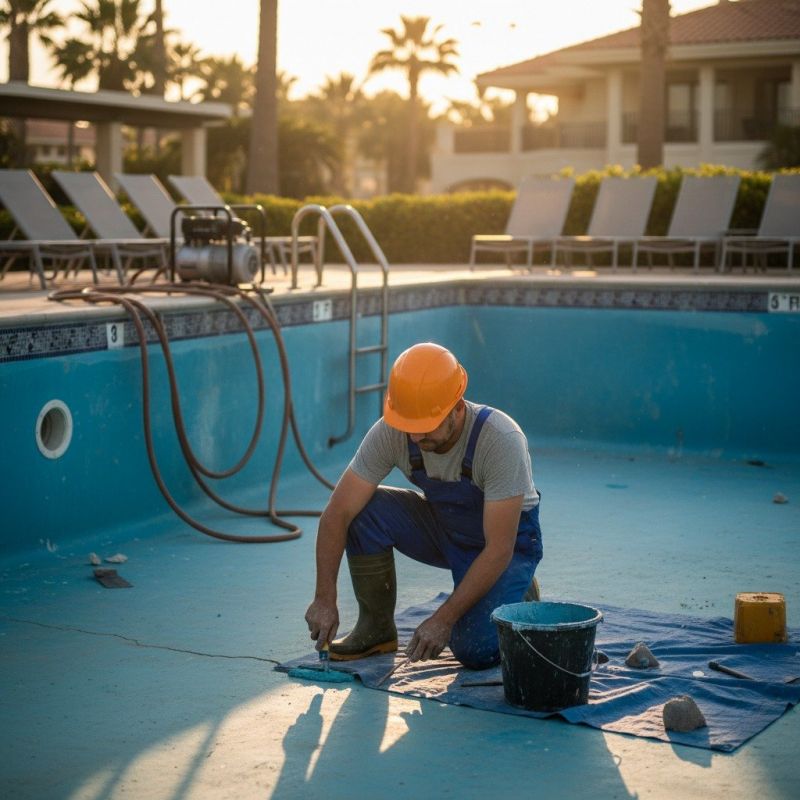
Compare local contractors by clearly describing your water pooling prevention needs, defining project scope, and verifying experience before setting expectations in writing.
- Assess the contractor’s experience with drainage and water management systems. - Ensure service providers understand proper grading and slope requirements to prevent water accumulation.
- Verify that scope of work clearly includes measures to divert or drain excess water effectively. - Look for contractors who specify methods for managing surface runoff and preventing pooling issues.
- Check if the contractor provides written plans detailing water diversion and pooling prevention strategies. - Clear documentation helps set expectations and ensures all parties agree on the approach.
- Compare how different local contractors address site-specific challenges related to water flow. - Understanding their approach to your property’s unique features can influence the effectiveness of pooling prevention.
- Ensure the contractor discusses ongoing maintenance or modifications needed to sustain water drainage solutions. - Proper long-term management can be crucial for preventing water pooling over time.
- Confirm that the scope includes inspection and testing to verify water pooling issues are resolved. - This step helps ensure the implemented solutions are effective and meet project goals.
Compare local contractors' experience and scope definitions to ensure effective water pooling prevention solutions.
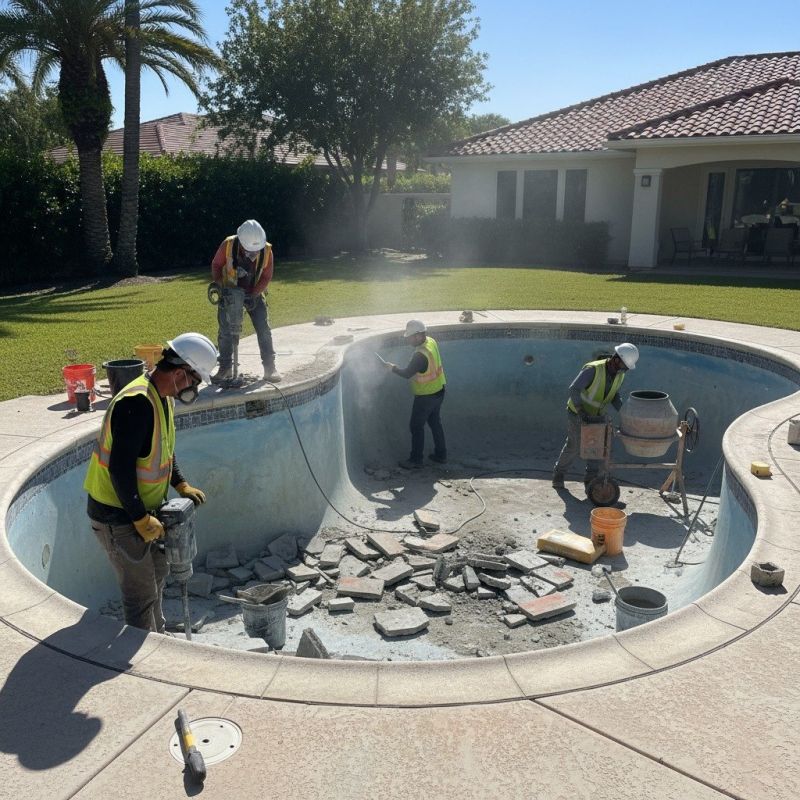
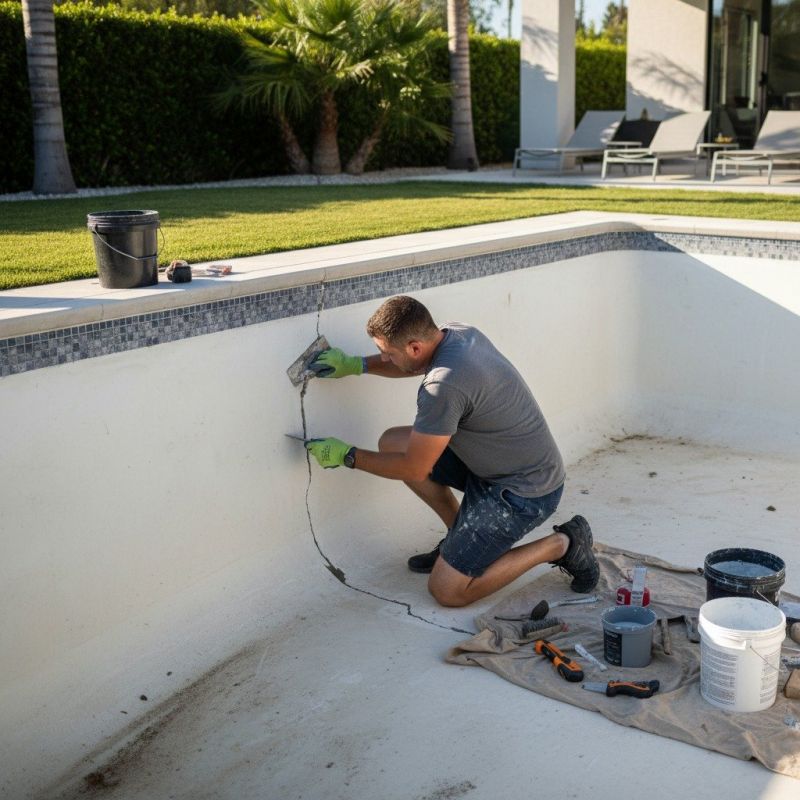
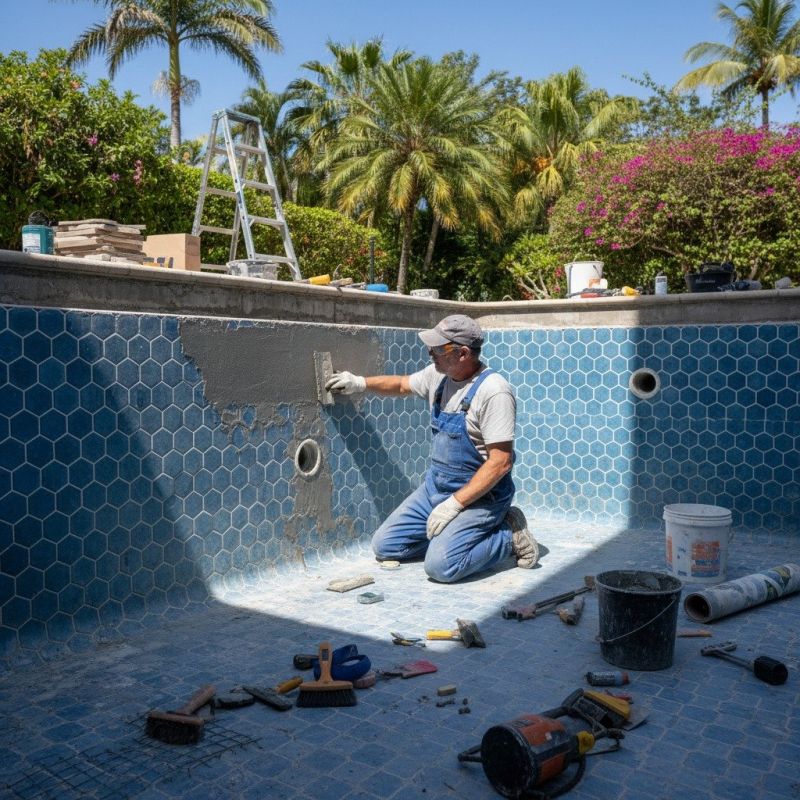
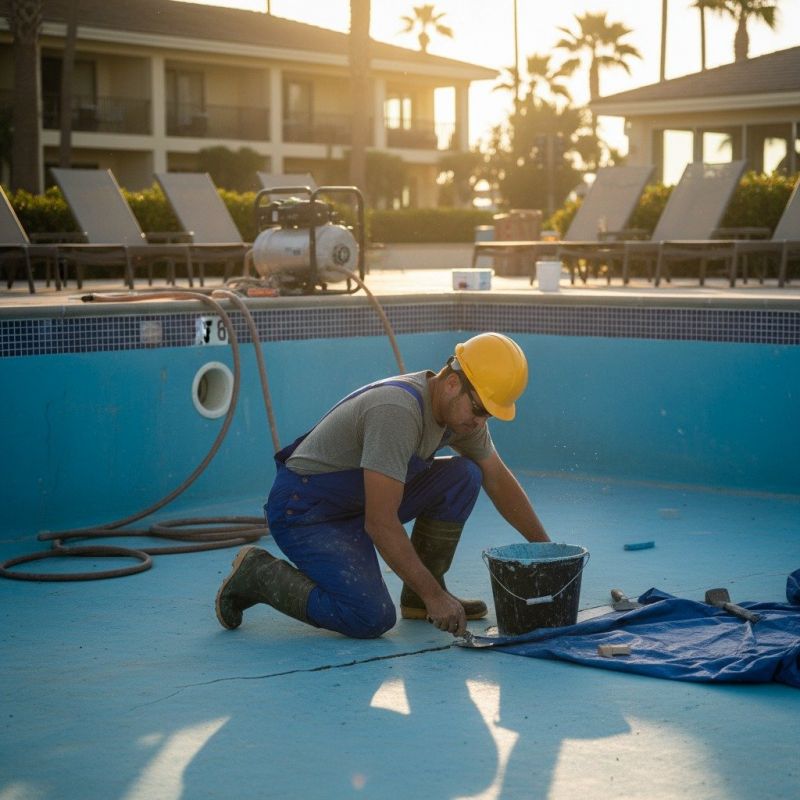
Compare local contractors' experience and scope of work to ensure consistent standards in water pooling prevention projects.
- Identify potential causes of water pooling - define the common issues that may lead to standing water around the pool area.
- Determine the scope of drainage solutions - specify the types of improvements or installations needed to prevent water accumulation.
- Verify experience with water runoff and drainage systems - ensure service providers have relevant expertise in managing water flow around pools.
- Document project expectations in writing - establish clear descriptions of work to be performed and desired outcomes.
- Compare local contractors’ approaches and methods - evaluate different service providers based on their proposed solutions and experience.
When evaluating contractors for water pooling prevention, it's important to consider their experience with similar projects. Homeowners should inquire about the types of properties and specific issues the service providers have addressed in the past. A contractor with a proven track record handling water drainage or grading issues in comparable settings can offer insights into effective solutions and potential challenges. Verifying the contractor’s familiarity with local soil conditions, common drainage problems, and relevant techniques can help ensure that the chosen professional understands the nuances of the area.
A clearly written scope of work is essential for setting expectations and ensuring all aspects of the project are understood upfront. Homeowners should seek detailed descriptions of the services included, such as grading, drainage installation, or landscape modifications. A comprehensive scope helps prevent misunderstandings and provides a basis for comparing different service providers. It’s beneficial to ask service providers to outline what is included and what may be considered additional work, ensuring that the project’s parameters are transparent and well-defined.
Verification basics involve assessing a contractor’s ability to deliver quality work based on their experience and the scope of services they provide. Homeowners can request references or examples of completed projects similar to their own to gauge performance. Additionally, confirming that the contractor has the necessary tools, equipment, and knowledge to handle site-specific challenges can be valuable. While formal licensing or certification may not be required, understanding a contractor’s background and track record can help in making an informed decision about their reliability and expertise.
When comparing options, homeowners should focus on how well each contractor’s approach aligns with their project needs and expectations. Reviewing detailed proposals or written statements of work allows for a clearer understanding of each service provider’s plan. It’s also helpful to ask how they plan to verify the effectiveness of their work once completed-such as inspecting grading or drainage improvements. By emphasizing clear communication, detailed documentation, and a thorough understanding of each contractor’s methods, homeowners can make confident choices without relying on price alone.
Ask contractors to provide written scope details to ensure clear expectations and consistent project understanding.
- **Experience and Expertise** - What specific experience do local contractors have with water pooling prevention projects?
- **Scope of Work** - How do contractors define the scope of services included in their water pooling prevention solutions?
- **Comparison of Services** - What methods do local service providers use to differentiate their water pooling prevention approaches?
- **Warranty and Guarantees** - Are the scope and terms of any warranties or guarantees clearly outlined in writing?
- **Project Expectations** - How do contractors clarify the expected outcomes and responsibilities for water pooling prevention work?
What should I consider when choosing a contractor for water pooling prevention? It is important to compare the experience and reputation of different local contractors, review their scope of work, and ensure that all project details are clearly defined in writing to set proper expectations.
How can I verify a contractor’s experience with water pooling prevention? You can ask for references or examples of previous projects, review their work history, and confirm that they have relevant experience handling similar water management issues in your area.
What questions should I ask contractors during the selection process? Inquire about their approach to water pooling prevention, the methods they use, the scope of services offered, and how they plan to address your specific site conditions.
Why is it important to have a written scope of work? A detailed, written scope helps clarify the responsibilities of the contractor, defines project deliverables, and prevents misunderstandings about the work to be performed.
How can I compare different contractors effectively? Review their experience, scope of work, references, and written proposals to evaluate how well they understand your needs and their ability to address water pooling issues.
What should I look for in a contractor’s proposal? Look for a clear description of the work to be done, the methods to be used, the timeline, and the terms of the agreement to ensure alignment with your expectations.
Understanding the importance of proper water pooling prevention, visitors have learned how to compare local contractors by defining the scope of work, verifying relevant experience, and setting clear expectations in writing. This approach helps ensure that the selected service providers can address specific concerns effectively and transparently.
To find the right contractor for water pooling prevention, visitors are encouraged to use the quote form to explore local options. Comparing different service providers allows for informed decisions and helps connect with experienced local contractors equipped to handle the job.